
From AI integration to micro-interactions, let's explore the hottest UI/UX trends shaping web design in 2024.


No matter how UI/UX evolves, the focus will always be on creating superior and engaging experiences.Designers are now prioritizing personalization and increased accessibility, striking the perfect balance between stunning interfaces and user-friendly functionality. And by concentrating on consumer behavior and preferences, they’re redefining what’s possible.
From AI to micro-interactions, let’s dive into the hottest UI/UX trends shaping web design in 2024. Whether you’re a designer, brand, or product owner looking to elevate your online presence, here’s what’s trending in UX/UI design this year!
10 UI/UX Design Trends to Revamp Your Website in 2024
1. Increased Focus on AI-Integration

Artificial intelligence has significantly impacted various industries, including web design. According to McKinsey, AI plays a crucial role in product design, automating tasks like analyzing user data and generating design elements. Some Webflow design agencies integrate AI to streamline workflows and enhance enterprise UX, boosting productivity and profitability.
AI can generate initial layouts based on designer insights, offering multiple design options by assessing behavior patterns, color palettes, and brand ideology. While AI enhances efficiency, it complements human creativity rather than replacing it.
Platforms like UX Pilot Wireframer help overcome creative blocks by converting text into images, while Adobe’s Sensei and Framer AI streamline design creation using AI to optimize website layouts for speed, user experience, and search engines. Designers can also explore Relume AI to create sitemaps and wireframes.
2. Focus on Emotionally Intelligent Design

Another popular UI/UX trend is creating emotionally intelligent designs. Emotionally intelligent design encompasses the interaction of technology and humans. The objective is to keep users’ emotions at the center of the design by including features like empathetic error messages or interactions based on the user’s mood.
Some critical aspects of emotionally intelligent design include:
- Empathy: empathizing with the user’s needs and emotions is essential. It includes considering users’ perspectives, opinions, and pain points.
- Feedback: Constant support and feedback are crucial for communication. Acknowledging the user’s actions creates a positive rapport.
- Inclusivity: Inclusivity is an important aspect of design, so it’s essential to include a variety of responses and cultural backgrounds.
- Values & Ethical Considerations: All design decisions should adhere to the brand’s and audience’s values.
An excellent example of this is Slack. The corporate messaging app makes chatting with coworkers fun, using bright colors, animations, and quirky messages to create a friendly environment. The design is engaging and relatable, making users feel safe, at home, and good about working together.
3. Playful Typography
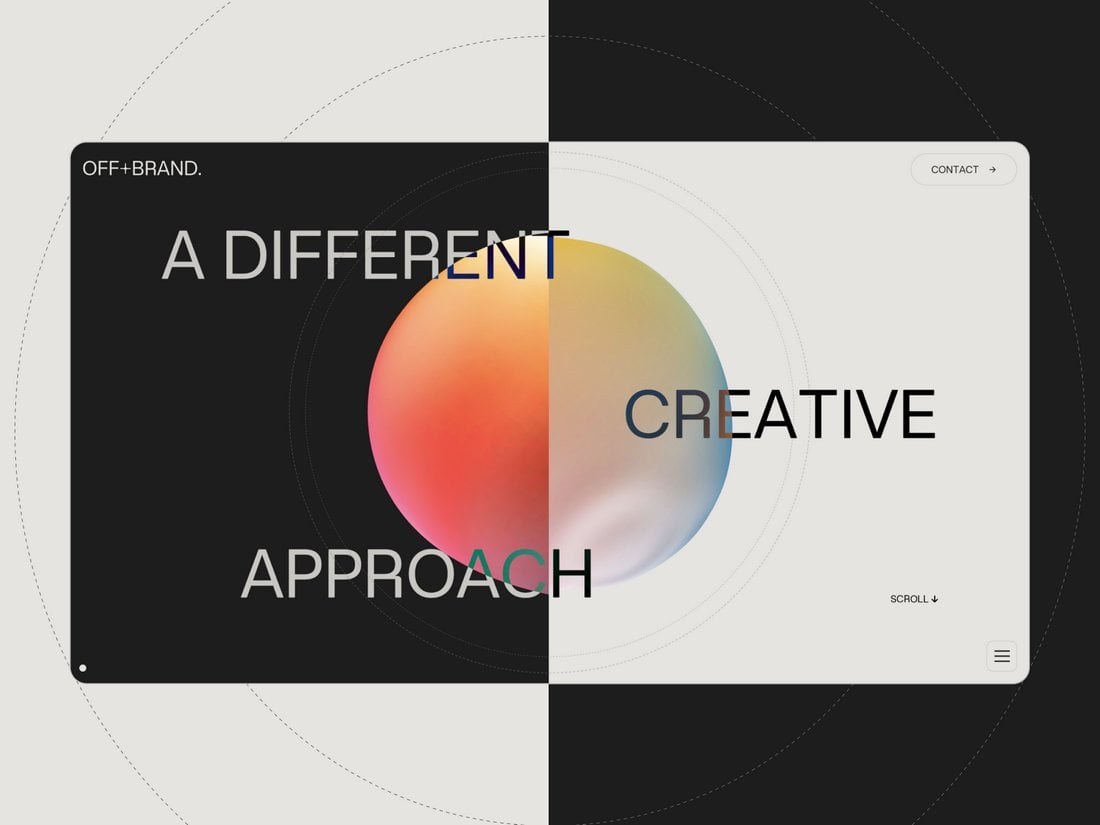
Typography is a design element that plays a pivotal role in engaging users and garnering their attention. However, in recent years, the design world has seen the dominance of playful, bold typography – from experimental fonts and quirky hand-drawn fonts to animated typography.
Adding a playful typeface to your design makes the user experience more engaging and exciting and is a great way to grab the attention of new customers. In 2024, there has been a rise in reimagining the aesthetics of the old era and giving the forms a retro appeal.
4. Hyper-Personalization

In the UI/UX domain, personalization is not just a novelty but an expectation. AI and machine learning are pushing the boundaries of user experience, merging AI’s power with designers’ creativity to build an out-of-this-world experience.
This shift towards hyper-personalization has resulted in interfaces that adapt to individual needs and preferences – from content to product recommendations. One of the best examples is Netflix. The streaming platform’s personalized recommendations engage users and keep them coming back for more.
The key to this trend is striking the right balance between implementing advanced features, improving user experience, and leveraging user data.
5. Voice User Interfaces (VUI) Promoting Better User Experience

Voice user interfaces are becoming a natural way to interact with technology. In 2024, the VUI market will grow by 21.3%, reaching $55.86 billion by 2028.
While Alexa and Siri are well-known, many mobile apps now use VUI to improve website accessibility. For instance, the e-commerce platform Myntra offers voice-based search on its app.
New interface design trends focus on voice-activated interfaces, making them essential for businesses. This trend challenges UX designers to enhance both visual and auditory experiences. Navigating complex applications with simple voice commands can significantly improve user experience by promoting natural conversation through clear and intuitive voice interactions, messages, and responses.
6. Dark Mode Reigns Supreme

The “dark mode” aesthetic is no fad. Every business aims to prioritize consumer comfort, even in design; the goal is to create visually appealing designs that engage users and promote seamless navigation.
Dark themes are proven to reduce eye strain and save battery, making them essential for any digital product. However, designers must balance aesthetics and accessibility when implementing dark mode options.
Choosing the right color contrast is crucial to enhance readability. Additionally, testing designs across different screen sizes ensures a seamless user experience. Platforms like Webflow allow you to test layouts for various screen sizes.
7. The Power of Storytelling and Motion Design

In 2024, storytelling and motion design will be essential for engaging users, creating lasting impressions, and increasing brand recall. Incorporating storytelling and motion design elements ensures an enhanced user experience.
Incorporating elements like animations and micro-interactions will be crucial. Well-crafted narratives can guide users through complex processes and build brand awareness. For example, the Duolingo app uses its mascot, Duo the Owl, as a central character with a backstory. Users follow Duo’s story as they progress, adding a playful element that motivates continued use.
Imagine your organization introducing a new productivity app. To simplify the onboarding process, you can use animated characters to explain the app’s features, making it more interactive.
8. Microinteractions Make a Macro Impact

Small details can have a huge impact. Tiny animations, dynamic elements, and feedback mechanisms can significantly enhance user experience, as these subtle cues improve usability.
Dynamic elements catch the eye instantly. Edita’s Casting website is an excellent example of using an image collage that allows users to swipe to create new personas and transform the user experience.
For instance, filling out an online form can be tedious. However, a form that changes color from red to green as you enter information provides instant feedback, adding satisfaction to the process. You can also make the download process more engaging through micro-interactions. Imagine a download bar that animates as the file downloads, keeping you updated and making the wait feel shorter. Fun and functional!
9. Data Visualization

Data dominates the digital world today. Data visualization is not just for business presentations—it’s also crucial in UI and UX design. Clear visual graphics effectively convey information, simplifying complexity and making communication seamless.
Luckily, the days of cluttered charts and tables are over. Today, designers use a simplified approach to make data visualization more appealing and easily understood. Charts, graphs, images, and interactive maps are just a few tools that enhance user experience. Companies are also using data visualization to personalize content and showcase features and achievements.
10. Reinventing The Hero Sections

A website hero section is the visual anchor that holds the user’s attention, so it must be compelling and engaging. Simple banners are a thing of the past; today’s trend is a deconstructed approach that grabs attention instantly.
In 2024, designers are pushing the boundaries of the website hero section, adding elements like snippets, bold typography, and aligned images to create more dynamic and engaging hero sections.
Bonus Trend: “Bento Box” Websites

Inspired by the traditional Japanese lunch box, the Bento Box design arranges content and features into distinct sections, much like a bento box organizes food.
This grid-based layout makes interfaces easy to scan and navigate, ensuring a smooth user experience. The compartmentalization allows for creative use of color, spacing, and subtle dividers, resulting in visually balanced and appealing interfaces. By dedicating specific areas for key elements, Bento Box design prioritizes content. It guides users toward necessary actions, making it ideal for interfaces that need to present a variety of information.
To Wrap Up
These UI/UX design trends for 2024 are sure to elevate the digital experience. However, trends are constantly evolving, with new additions like augmented reality, 3D animations, unique cursor designs, and advanced optimization parameters on the horizon. Embracing these new elements in your design process will help create an instant connection with your users. Good luck!


